Plots in Santa Cruz de Tenerife - buy, sell or rent easily

Find plots by category in Santa Cruz de Tenerife (Province)


Plots for sale with most wanted features
- Urban 25
- Developable 9
- Non developable 14


Latest publications of land and houses for sale in Santa Cruz de Tenerife (Province)



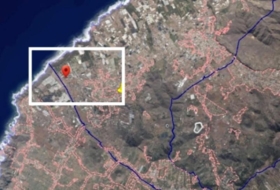
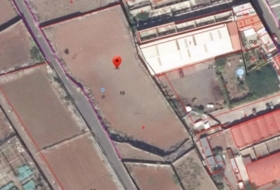

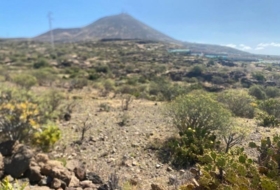
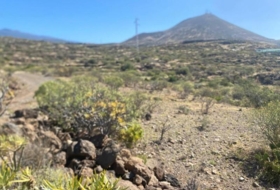
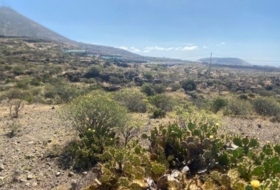
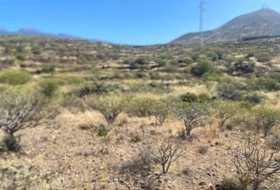
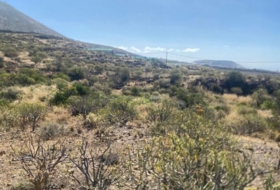
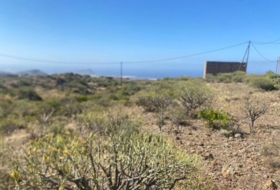
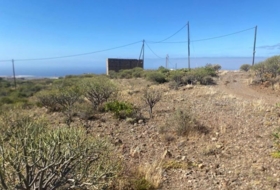
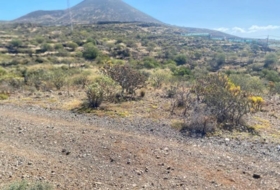
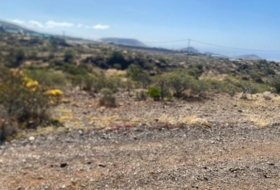
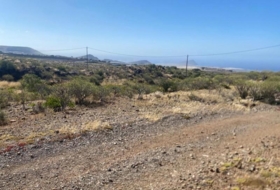
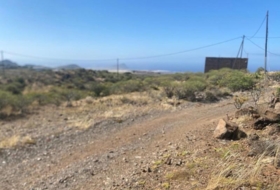
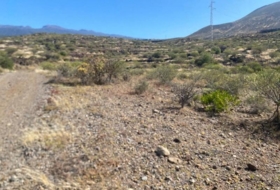

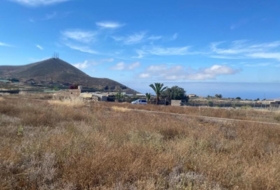
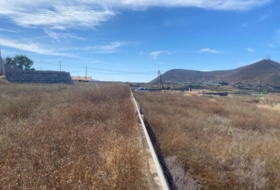
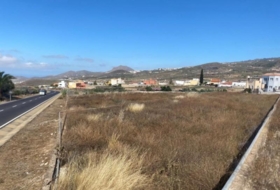
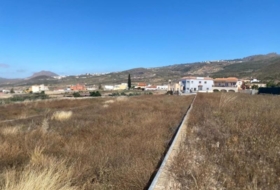


 +1
+1

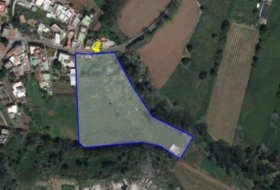
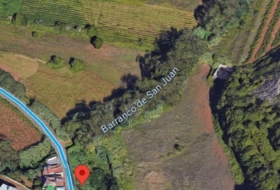
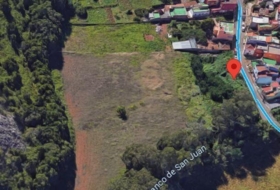
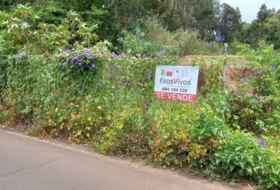
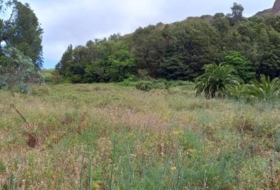
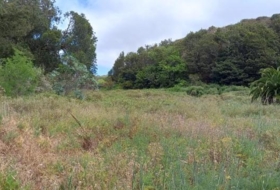
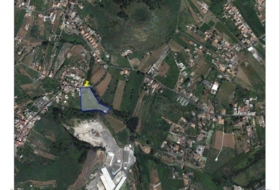
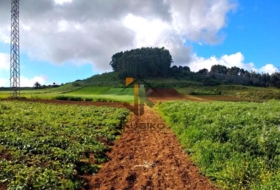
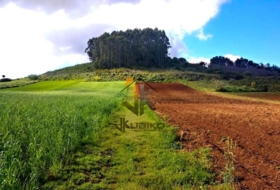
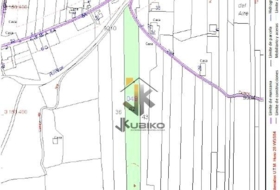
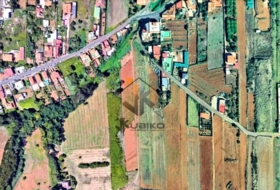
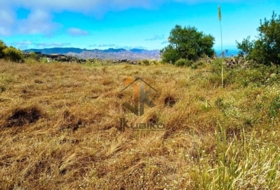
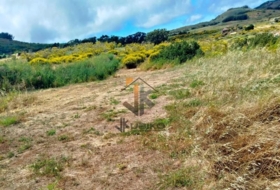
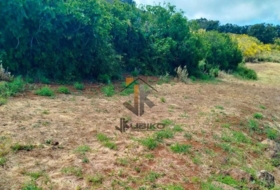
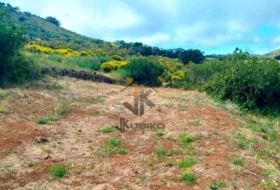
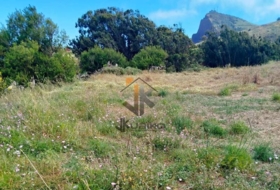
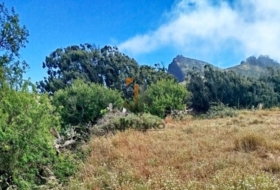
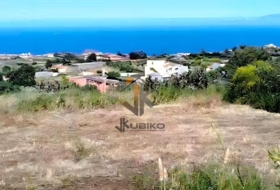
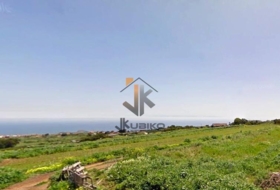
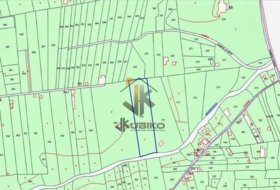
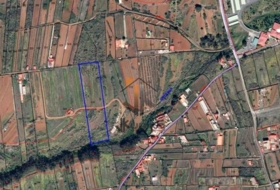
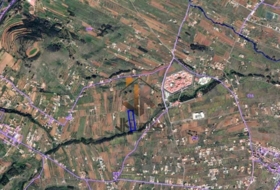

Where to buy land in Santa Cruz de Tenerife
The average value of urban land in Santa Cruz de Tenerife is around €200/m². The developable plots register an average price like the urban surface, since they are concentrated, practically, in the same municipalities. The most expensive plots of land are in: El Bebedero, San Miguel de Abona, La Cuesta, Santa Cruz de Tenerife, Adeje and Guía de Isora.
The cheapest land for sale is found on the province's capital island itself, with a minimum value of €0.30/m². They are followed by: El Bueno with €0.90/m², Los Álamos with €1.2/m², Cruz de Tea with €1.30/m², Agulo with €1.70/m² and Las Cuevecitas with €2.20. /m². Prices become more expensive in the municipalities with the highest population density, where the demand for urban, developable, and rustic land grows.
Tenerife soil
The province of Santa Cruz de Tenerife occupies an area of 3,380 km² and has more than 1,000,000 inhabitants. It is made up of the western islands of La Palma, La Gomera, El Hierro and Tenerife. It is the most mountainous province due to uneven terrain.
La Palma, the beautiful island
The Island of La Palma has 83,458 inhabitants and its 708.32 km² are entirely a Biosphere Reserve, due to its climatic diversity (microclimates) and landscape. On this volcanic island, in addition to its beaches, the Canarian pine forests, and laurel forests stand out, such as the Los Tilos Park.
Throughout the year it enjoys a subtropical oceanic climate, with mild temperatures, many hours of sunshine and trade winds that provide humidity.
The central part of the island, where most of the natural parks and volcanoes are located, is the land of environmental protection. This area is surrounded by land for the primary sector, although we also find some the intensive agricultural interest near the coastal cities. Bordering the coast and in some specific points close to urban and tourist areas, land for tourist use, urban residential or developable predominates; as well as the one for community use, the tertiary and the industrial one, which is close to these areas.
Agriculture, closely linked to the territory, has been the basis of the economy for years, which at the same time plays a vital role in the landscape and ecology.
The most important crops are bananas and vines. Citrus, avocados, and horticultural products are also grown.
Regarding livestock, goats stand out to produce milk and cheese. In addition, the Island Council supports the breeding of native livestock species (garafiano shepherd, palm sheep, palm goats, fenced palm cow, jabada hen. Garafía) and the manufacture of their processed products.
In recent years, in addition to traditional tourism, rural tourism has been launched, more respectful of the environment and helping to restore old farms. In addition, it was the first place in the world to be declared a Sustainable Tourist Destination.
Tenerife is synonymous with diversity
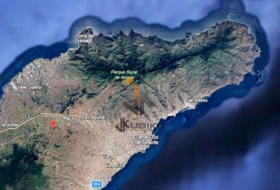
It is the largest island in the Canary archipelago with 2,034 km², of which almost half corresponds to natural spaces protected for their ecological diversity.
Its climate is characterized by being mild and sunny, with the influence of the trade winds and an average annual temperature of around 23ºC. In addition, its orography favours a great variety of microclimates throughout the island, which give rise to the greatest biological diversity of the archipelago.
Its forest wealth is mainly due to the different species that live at different altitudes, from scrubs, forests or laurel forests to pine forests and high mountain flora.
Tenerife is respectful of the environment and carries out sustainable development since it uses clean energy from the wind farms installed on the island, photovoltaic energy, or bioclimatic homes.
It is also committed to sustainable tourism, through sponsorships to support reforestation or through conservation activities and repopulation of native species.
Its economy is based on the tertiary sector, especially in tourism, trade, construction, and related activities. Its most populated cities are Santa Cruz de Tenerife and La Laguna. The coastal zone is the area with the highest population density.
The weight of the industry is very weak and is centred on agri-food processing, tobacco, and oil.
The agricultural sector does not have a great weight, since only 10% of the surface is cultivated. Rainfed crops are grown (vines and potatoes), which are more adapted to the climate, while in irrigated crops, bananas and tomatoes stand out. Horticulture and citrus plantation are also practised. The cultivation of temperate and tropical fruit trees such as avocados, pineapples and mangoes has recently been introduced, in addition to ornamental cultivation.
Livestock has also come to less and is goat and bovine.
The most outstanding products are wines, cheeses, honey, potatoes, gofio, jams, mojos, chestnuts, vinegar and liqueurs.
La Gomera, the Columbian Island
La Gomera has an area of 369.76 km² and is a Biosphere Reserve. Its Garajonay National Park was declared a World Heritage Site and houses a laurel forest from the tertiary period.
As in the rest of the islands, the subtropical, temperate, and mild climate prevails, with rainfall of around 1900 mm per year. In the north of the island, the temperatures are lower than in the south and it is in the latter where the greatest tourist spots are concentrated.
Currently, its economy is based on rural tourism, but agriculture, the historical engine of the island, is no less important.
Its agricultural production is organized according to the altitude of the land. In the flatter areas, tropical products such as bananas, papayas, mangoes and avocados are grown. On the slopes, farmers have created terraces where fruit and vegetable crops are grown, as well as vineyards (about 300 hectares), both in cane trellises and creeping.
As for livestock, the goats with which artisan cheese is produced, in addition to rabbit and poultry, stand out. Palm honey, typical of the place, is also developed.
El Hierro, the sustainable island
El Hierro is the youngest, smallest (268 km²), less populated and western island of the archipelago. It was declared a Biosphere Reserve and Geopark. It is almost entirely powered by renewable energy.
The climate of El Hierro is dry, sunny, with little rainfall (3 days a month on average in winter) and temperatures that range between 19ºC and 23ºC. Showers brought by the trade winds are generated in the summits and in the south, the dry ones predominate.
These climatic conditions and the orography mean that the centre of the island and its peaks are laurel forests and pine forests, while there are bare lands due to aridity in the southernmost areas.
Agricultural land occupies a large part of the territory and is scattered throughout the island.
Residential areas are scarce and concentrated around urban centres, framed in the most important cities, such as Valverde and Frontera, where we find most of the urbanized land. The rest of the population is in hamlets scattered throughout the territory.
Its economy is based on the primary sector, from its origins, as well as on the tertiary sector, to which sustainable rural tourism has recently been incorporated.
It has more than 4,000 hectares of crops, the island with the largest agricultural area cultivated per inhabitant. In addition, it boasts the largest area in the Canary Islands dedicated to organic farming, with more than 3,000 hectares.
This takes place mainly in the Valle del Golfo. It is based on tropical fruit crops (pineapple, papaya, avocado, banana, mango), as well as other fruit trees, citrus, and horticultural crops. In addition to the appreciated dried figs in the El Pinar area. The wine tradition dates to the 16th century, it is carried out throughout the island on small terraces, it occupies around 200 hectares and has given rise to the El Hierro Designation of Origin.
In livestock, goats, sheep, and dairy cattle stand out; with which high-quality cheeses are developed.
Sustainable professional fishing is also becoming important in the Ports of La Estaca and La Restinga.
The little industry on the island is linked to the primary sector and crafts (loom, carving, pottery, and wicker basketry) enhance its cultural heritage.
In the province of Santa Cruz de Tenerife, diversity and sustainability are part of all the islands. The importance of the environment and its respect is vital for its development. In them, sustainable tourism stands out, just as it is committed to agriculture as the engine of the economy. For this reason, rustic land is highly valued, but urban land is not far behind either.